


In the summer of 2007, Jamie Hull was preparing to deploy to Afghanistan with the UK Special Forces (Reserve). Exceptionally fit and ready for operations, he had travelled to the United States to complete light aircraft training when a routine flight turned into a fight for survival.
Forced to leap from the cockpit of a burning aircraft, Jamie suffered catastrophic injuries that left doctors giving him just a five percent chance of survival.
Today, after years of rehabilitation, Jamie shares the remarkable journey that took him from a five percent chance of survival to a life rebuilt, proving that even in life’s darkest moments, hope can return.
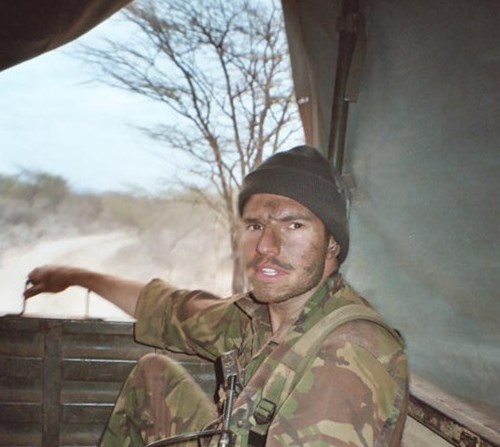
Jamie had consciously decided to learn to fly before his deployment and was enjoying what had started as an ordinary training flight.
"It was a routine day," he recalled. "I did my pre-flight checks, went full throttle, and I'm climbing steadily through that local Florida airspace. It was a wonderful experience."
Then he noticed something was terribly wrong.
Looking out of the cockpit, Jamie spotted a thin streak of yellow-orange flame. Within moments, the fire had breached the cockpit.
"I'm watching the altimeter spin down," he said. "900 feet, 800 feet, 700 feet."
With the aircraft rapidly descending and flames engulfing the cockpit, he knew he had only seconds to act.
At around 50 feet above the ground, Jamie scrambled out onto the aircraft's wing before making a desperate leap.
"I made that jump. But I landed like a sack of spuds."
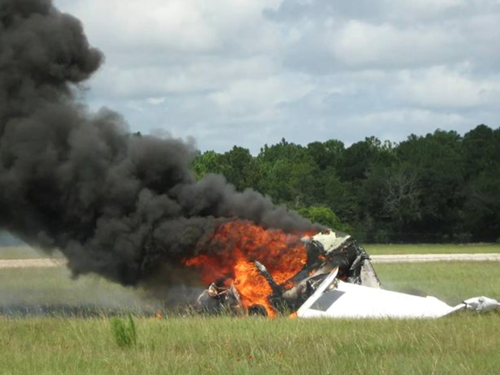
Moments later, he watched from the ground as the aircraft crashed and exploded just yards away.
"There was this ugly crashing, crumpling noise... and then an almighty boom."
Jamie survived the crash, but his injuries were devastating.
He had sustained third and fourth degree burns across 63 percent of his body.
"I was in a dire place, and I was in a dire situation," he said. "I had literally moments to go."
Surgeons in America believed his chances of survival were only five percent.
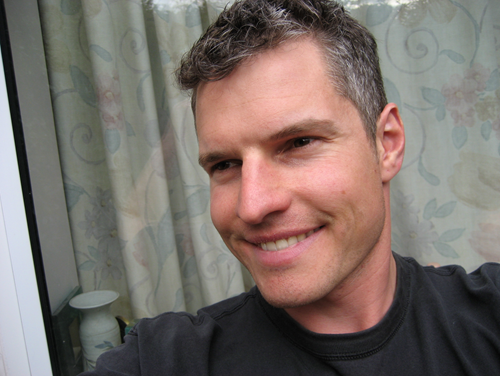
Overwhelmed by the extent of his injuries, Jamie remembers pleading with doctors.
"I got quite angry and I snapped at one of the doctors," he recalled. "'For f***'s sake, just put me out of my misery here, and just let me go.'"
The next thing he remembers is darkness.
For the following six months, Jamie remained unconscious while surgeons fought to save his life.
"Subconsciously I was in the fight of my life."
Eventually he was repatriated to the UK, where he spent 17 months in specialist burns units.
Waking up and seeing his injuries for the first time proved one of the hardest moments of his recovery.
A nurse handed him a mirror.
"'I'm going to have to get you to look at yourself, Jamie,'" she told him. "'There's been some change in your appearance.'"
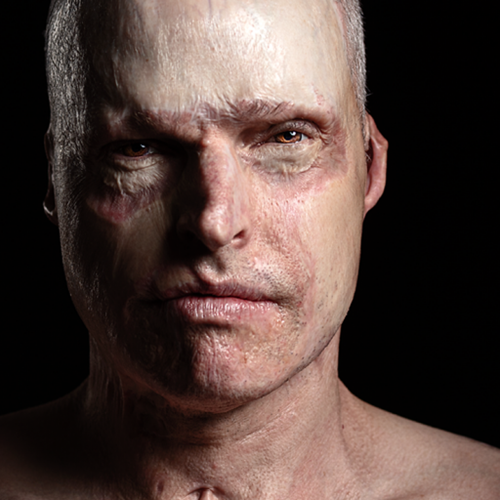
"It was the worst feeling on the planet," Jamie said. "As far as I was concerned, I resembled a distant cousin of the Elephant Man."
Around 18 months after the accident, Jamie reached his lowest point.
"I was in a very dark place," he said. "I genuinely wanted to check out."
He had even begun discussions with Dignitas in Switzerland, believing he no longer wanted to continue living.
Then another operation with his burns consultant gave him something he had almost lost.
"The surgery was a relative success and with that I developed a pinprick of hope."
That small breakthrough became the turning point in his recovery.
Jamie had to relearn how to walk, feed himself and write. Determined to rebuild his strength, he gradually increased his fitness until he was walking around 2,500 miles each year.
"I'll never be that former soldier," he said. "But I was healing in body, and I was healing in mind."
As his recovery continued, military charities opened new opportunities that helped restore his confidence.
He took part in marathons, skiing expeditions and cycling challenges, proving to himself that his injuries did not define his future.
"So, from there my life metaphorically started to grow wings once again."
Today, Jamie says he no longer sees himself through the same eyes.
"I look in the mirror these days and it's a bit different," he said. "I get the fact that I look a bit different... but I'm genuinely a lot happier in myself."
Looking back, he describes the years following the accident as "three years of Hell on Earth” but says time has allowed him to accept the person he has become.
"I consider myself one of the lucky ones because I'm a survivor and I'm still taking life by the horns."
Jamie believes he owes much of that second chance to the organisations that supported him throughout his rehabilitation.
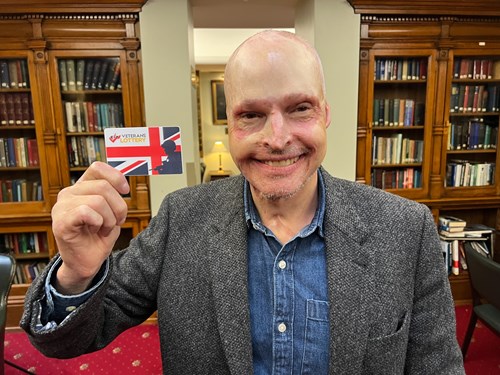
"If it hadn't been for military charities and the crucial role that they played with my rehabilitation, I probably wouldn't be here today."
By sharing his experiences, Jamie hopes others facing their own struggles will find encouragement.
"If that does give people even a small nugget of inspiration, in their own lives, in their own journeys respectively, then I'm all for that."
If you'd like to support veterans like Jamie, and the wider military community, you can do so by playing the Veterans' Lottery.


